Dominican Republic Entry Requirements: E-Ticket And Passport Rules
The paperwork for a Punta Cana trip is lighter than most Caribbean destinations, but two documents matter: the free e-Ticket form and a passport that meets the validity rule. Here is exactly what the official sources say, plus what it all means once you are on the dock and booking boat days.
Short answer
Most US, UK, Canadian and EU visitors enter visa-free with a valid passport and the free e-Ticket form, completed at eticket.migracion.gob.do before flying. The departure tax of US$20 is already in your airfare. An exception waiving the six-month passport rule runs to 31 December 2026.
The Dominican Republic runs one of the simpler entry systems in the Caribbean, and most of the confusion travelers bring to Punta Cana comes from outdated forum threads rather than the rules themselves. The official tourism site lays out three things that matter: a mandatory digital form called the e-Ticket, a passport validity rule with a time-limited exception, and a departure tax that has been folded into airfares for years. None of it costs anything extra for a typical visitor from the United States, Britain, Canada or the European Union.
What the entry rules do affect, though, is how smoothly the rest of the week goes. Once you clear migration at Punta Cana airport, you are an hour or less from the Bávaro departure docks where the party boats leave, and the travelers who booked excursions before flying are the ones walking straight onto the sandbar. The Saona Island catamaran day from Caribbean Route Punta Cana, the adults-only hip hop party boat from Playa Bibijagua and the open-bar catamaran cruise along the Bávaro coast all sell out on peak weeks, and a delayed arrival because of paperwork problems is the one thing booking early cannot fix.
This guide walks through each requirement as the official sources state it, in the order you will actually meet them: the e-Ticket before you fly, the passport at check-in and migration, the stay rules while you are there, the customs allowances when you land, and the tax when you leave. Where a rule is temporary, like the passport exception, it says so plainly, because planning a trip around a measure that lapses mid-winter is how people get burned.
What Is The Dominican Republic E-Ticket And Who Needs It?
The e-Ticket is a free digital form that every passenger on a commercial flight must complete before passing through migration, covering both arrival and departure, and it is submitted only at eticket.migracion.gob.do. One form can cover up to seven family members traveling together, and it generates a QR code you show at the airport. It costs nothing.
The form combines what used to be separate migration and customs declarations into a single submission, which is why the authorities call it the e-Ticket rather than a visa application. It asks for personal data, your passport number, flight and airline details, the exact address where you are staying, and customs and luggage information. The customs section is filled in by adults only, so a family of five with two children completes the customs portion twice, not five times.
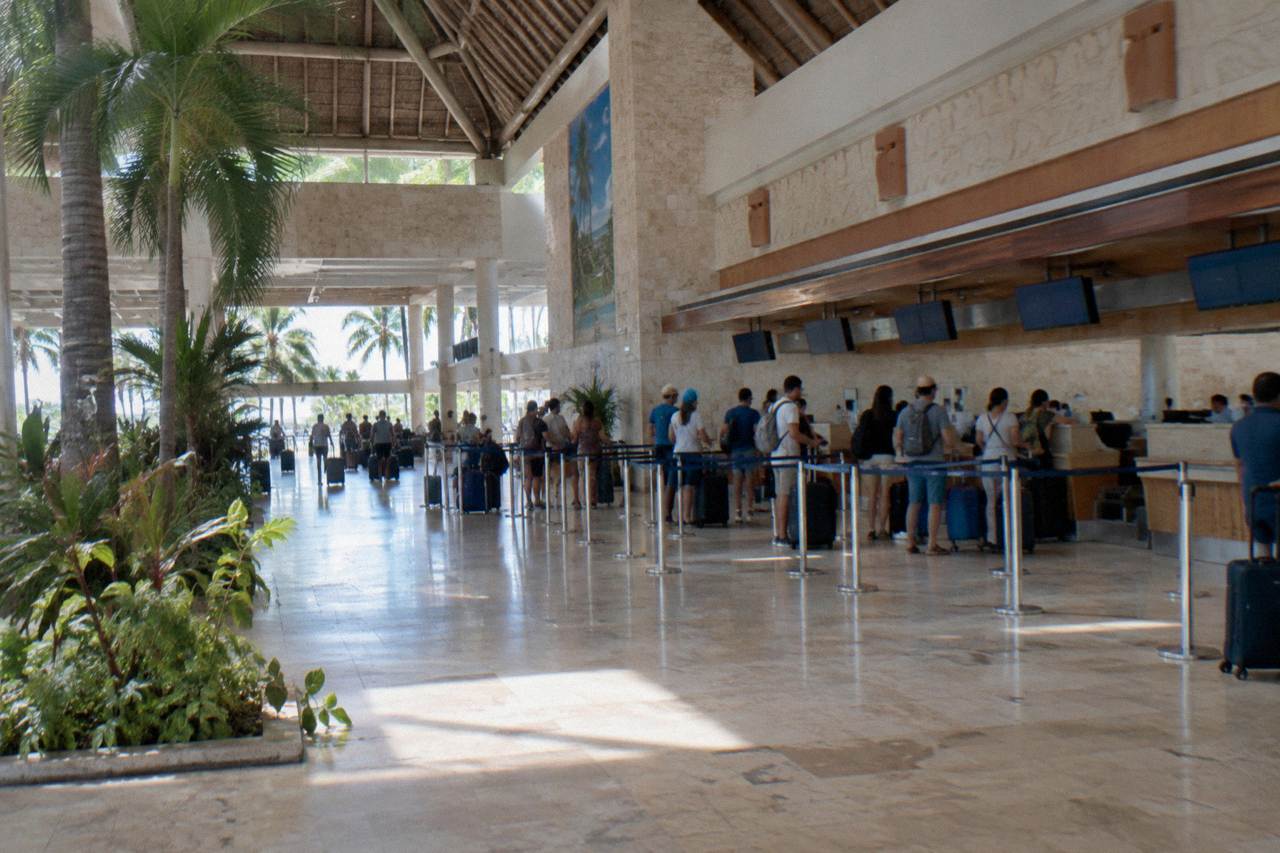
The practical trap is timing. The form must be done before you reach the migration counter, not at it, and the Punta Cana arrivals hall does not always have staff directing people to complete it on phones while the line builds. Filling it out at home a few days before departure, then again for the return leg, takes most travelers under fifteen minutes. The QR code can be shown on a phone screen; printing it is a backup, not a requirement.
Two clarifications from the official guidance are worth repeating because they get mangled online. First, the e-Ticket is free, and any third-party site charging for it is selling a convenience, not the form. Second, passengers arriving on private flights, non-commercial vessels, ferries and cruise ships are not required to complete it, which matters to a small number of sailors but not to anyone flying into PUJ on a scheduled service.
Here is the summary as the official migration authority presents it:
| Item | What the official source says |
|---|---|
| Who needs it | All passengers entering or leaving on commercial flights, Dominican and foreign alike |
| Where to file | Eticket.migracion.gob.do, the only official site |
| Cost | Free |
| Coverage | One form covers up to 7 family members |
| When | Before passing migration, for both arrival and departure |
| Exempt | Private flights, non-commercial vessels, ferries, cruise ships |
The reason this matters beyond the airport is time. The e-Ticket and passport check are the gate to everything on the water, from the shared catamarans that leave Bávaro in the morning to the full-day Saona trips that pick you up at your hotel lobby. A day lost sorting paperwork at the counter is a day the boat sailed without you.
Do You Need A Visa To Enter Punta Cana?
No, not for tourism stays, if you hold a passport from the United States, United Kingdom, Canada, the European Union or the many other nationalities the official tourism site lists for visa-free entry. You arrive with a valid passport and the completed e-Ticket. The site also asks visa-free visitors to be able to show onward or return travel and proof of where they are staying.
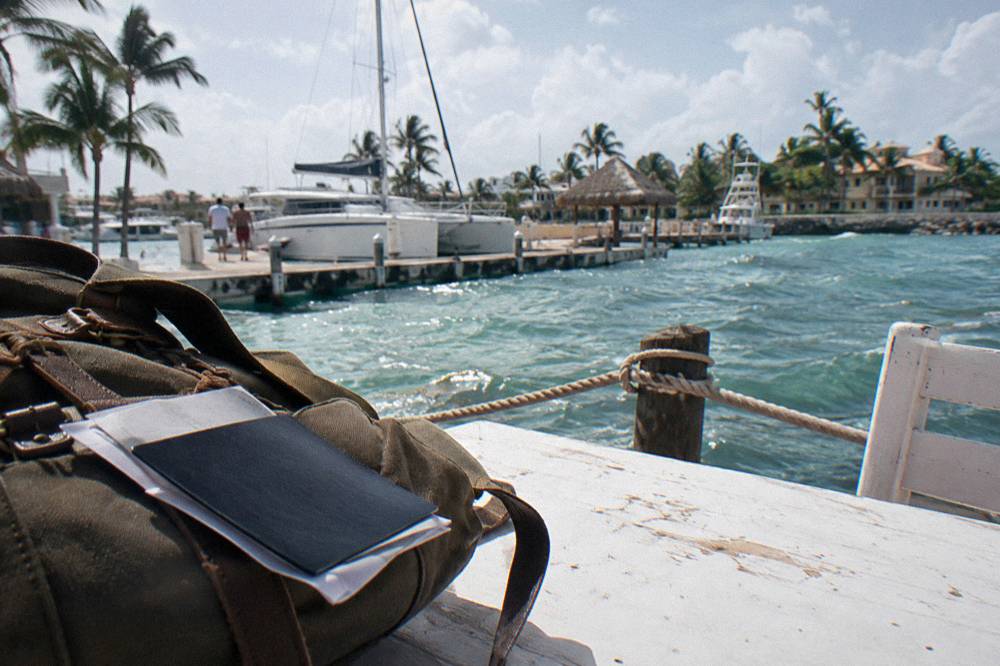
The passport validity rule is where travelers get caught, and the official entry requirements page states it in two parts. The default is six months of validity. On top of that sits an exceptional measure, running 01 December 2025 to 31 December 2026, under which nationals of the EU, UK, Canada, the US, Brazil, Chile, Argentina, Colombia and Ecuador may enter for tourism with a passport that is simply valid for the stay and at departure. Holders of valid US, Canadian, UK or Schengen visas or residency from other countries can qualify under the same measure.
Treat that exception as a dated window, not a new normal. If your trip falls after the exception lapses and no extension has been announced, the six-month rule is what applies, and an eight-months-to-expiry passport will not clear check-in. The safe planning move, if your passport is anywhere near its final six months, is to renew before booking flights rather than gamble on an extension being announced.
| Traveler situation | What the official tourism site indicates |
|---|---|
| US, UK, Canada, EU passport, tourism | Visa-free with valid passport and e-Ticket |
| Passport with 6+ months validity | Meets the standard rule for all nationalities |
| Passport valid only for the trip | Accepted for listed nationalities under the exception to 31/12/2026 |
| Other nationalities | Check the official entry page for the current visa-free list |
| All visa-free visitors | Be ready to show onward travel and accommodation address |
One connected item travelers ask about is the old tourist card. The ten-dollar Tarjeta de Turista was folded into airfare for tickets issued outside the country in April 2018, so you do not queue for it or pay it at the airport. You also do not need to print anything for it; the airline's collection covers it. If a booking site tries to add a "tourist card fee" at checkout for a flight, that is a signal to look closely at what is actually being charged.
The arrival side being this light is one reason excursion planning can start before you fly. Travelers booking the popular Punta Cana catamaran party cruise with unlimited drinks, or the three-hour open-bar catamaran that caps at 75 guests, routinely do it from home once flights are confirmed, because the entry process is predictable and hotel pickup is coordinated the day before each tour.
With your passport and e-Ticket squared away, the question shifts to the water. Here are three of the most-booked trips that this planning unlocks:
Each of those three runs with pickup from the Punta Cana and Bávaro hotel zones, and each lists free cancellation, so booking before departure does not lock you into a schedule that a delayed flight could break.
How Much Is The Departure Tax When Leaving The Dominican Republic?
The departure tax is US$20 per person and it is already included in your airline ticket fare, so you pay nothing extra at the airport. The official tourism site states this directly, which also means the fare breakdown on your booking confirmation is where you verify it. There is no separate counter, form or queue for it. If you want the full picture, our departure tax guide also covers the free e-Ticket you complete before you fly.
This is one of the most searched questions about Dominican entry and exit, and the verified answer is short precisely because the system was designed to be invisible. Airlines act as collection agents, and tickets include the tax automatically. Travelers who remember paying a departure fee at a Caribbean airport decades ago sometimes budget cash for one at PUJ, and the answer is that no such payment point exists for a standard commercial departure.
Figures like this can change when laws change, so the durable habit is to check the fare breakdown on your ticket and the official tourism site's entry requirements page rather than any specific number quoted in a forum. What the official page currently states is US$20, included in the fare. That is the figure this site stands behind, and it is the only dollar amount a departing tourist needs.

The departure tax matters to excursion planning in a small, real way: it removes the need to hold back cash on your last day for the airport. Budget your final day like any other, which on many itineraries means a morning on the water. The sunset party boat cruise from SeaPro Divers, a three-hour trip rated 4.7 from 174 reviews, is built exactly for departure-day scheduling, though its listing notes the 18-and-over minimum, so match the day to your group.
How Long Can You Stay In The Dominican Republic As A Tourist?
A standard tourist stay runs up to 30 days, and staying longer carries an extension fee payable on departure or in advance online. The official tourism site confirms both the 30-day baseline and the extension mechanism, so overstays are handled with a payment rather than a penalty hearing, provided you settle the fee before you fly.
Thirty days comfortably covers every version of a Punta Cana vacation, from a long weekend to a full month of alternating catamaran days with recovery days on Bávaro Beach. The extension route exists for the digital nomads and snowbirds who stretch a stay past a month. The fee scale is not published on the tourism site's entry page, so treat the amount as something to confirm when you extend rather than a figure to budget from secondhand posts.
What a 30-day window does for boat planning is allow the multi-trip week. A pattern many returning visitors settle into pairs a shared party format early in the stay, the four-hour hip hop party boat with unlimited drinks and snacks among them, with a full-day Saona Island catamaran excursion in the middle and a sunset cruise at the end. None of these requires anything beyond your entry stamp and a booking confirmation.
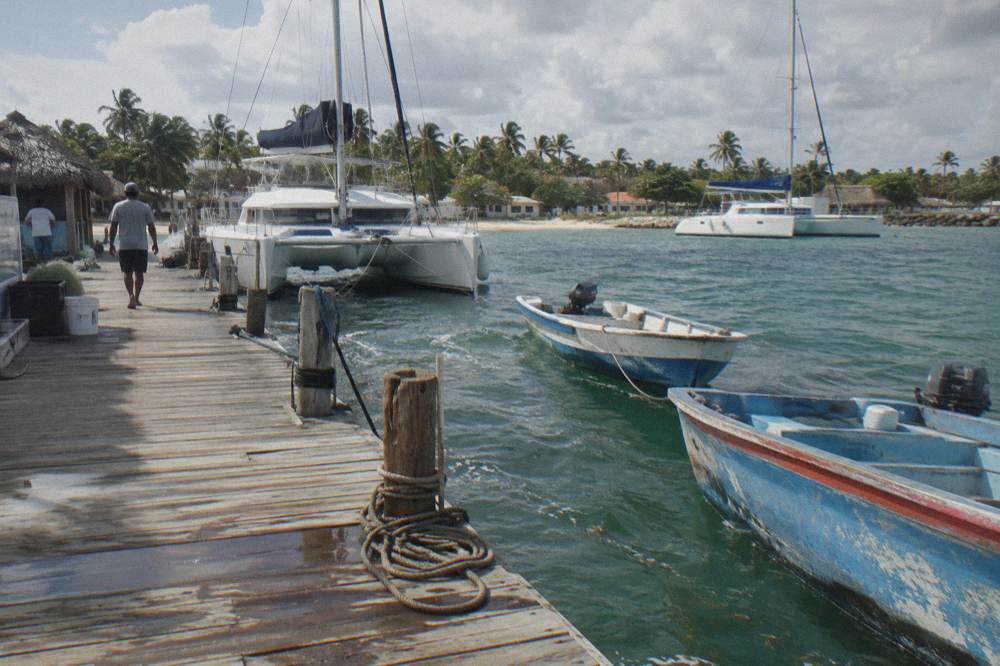
One point that belongs with stay rules rather than entry rules: the immigration status that admits you is about being on land, while the boats operate under their own permits. The Armada de la República Dominicana, through Ordenanza No. CDP06-2025, sets minimum safety requirements for tourism vessels under Dominican jurisdiction, so the licensing sits with the operator, not with you. Your only paperwork on excursion day is the booking and, on most tours, the ID that matches it.
For the full-day format that anchors most long stays, the details sit in one place:
What Can You Bring Through Customs Duty-Free?
Adult travelers aged 18 and over may bring up to five liters of alcohol, plus 20 packs of cigarettes or 25 cigars or 200 grams of tobacco, and gifts or goods up to US$500 total value once every three months. Cash above US$10,000 must be declared. These allowances come from the customs authority's traveler guidance cited in the 2026 entry research.
The reason the alcohol allowance matters here is that most party boat visitors bring rum home, not in. Five liters is roughly three standard bottles of Dominican rum plus a spare, which covers the airport duty-free run on the way out. Declaring is cheap and skipping it is expensive, so if your shopping crosses the US$500 goods line, say so at the counter; the customs declaration section of the e-Ticket is where the adult in the party records it.
Tobacco runs per adult as well, and the US$500 goods allowance is usable once every three months, a detail worth knowing for people who visit repeatedly in a season rather than once. Cash over US$10,000 in any currency equivalent must be declared on entry or exit, a rule aimed at money movement rather than tourism but written without exceptions for vacationers carrying casino winnings.
| Allowance | Limit per adult (18+) |
|---|---|
| Alcohol | Up to 5 liters |
| Cigarettes | 20 packs, or 25 cigars, or 200 g tobacco |
| Gifts and goods | Up to US$500, once every 3 months |
| Cash threshold | Declare amounts over US$10,000 |
Reef-safe sunscreen deserves a sentence even though customs does not police it, because boat operators around the natural pools ask for it and several excursions, including the shared snorkeling catamarans out of Bávaro, run stops at shallow reef areas where standard sunscreen is discouraged. Buying it at home and packing it beats the resort gift-shop price, and it clears customs without a second glance.
For travelers whose packing priorities are boats rather than bargains, the small-group catamaran from Happy Fish Catamarans, capped at 27 guests with stand-up paddleboards and an onboard restroom, is the kind of trip where a dry bag and reef-safe sunscreen are the only gear that matters. Hotel pickup and drop-off are listed in its inclusions, along with the open bar and nachos, salsa and seasonal fruit.
What Documents Should You Have Ready For Boat Excursions?
Carry your passport or a copy, the booking confirmation for each excursion, and photo ID matching the booking name; the e-Ticket itself stays an airport document. Age documentation matters on 18-and-over boats, since the national drinking age is 18 and adults-only listings enforce it at check-in. Pickup details are confirmed by operators the day before.
The e-Ticket clears you through the airport and has no role on the dock. What boat crews need is the name the booking was made under and, on the adults-only departures, proof that everyone in the party is of age. The Punta Cana adults-only party boat with live DJ and open bar from Dreams Come True Tours, from $49 per person and rated 4.9 from 145 reviews, states the adults-only condition in its title, and a seventeen-year-old with no ID can be left at the dock at boarding time. Bring the passport, or at minimum a phone photo of the photo page plus another government ID.
Practical dock-day routine, drawn from how these listings describe their own logistics: keep the confirmation email accessible offline, note whether your tour's pickup is at the hotel or a stated meeting point, and be ready at the time confirmed the evening before rather than the time on the original booking. For trips that use a fixed departure point, such as the booze cruise and snorkel tour from Playa Bibijagua, the listing's address is what your taxi needs, not the hotel pickup note.
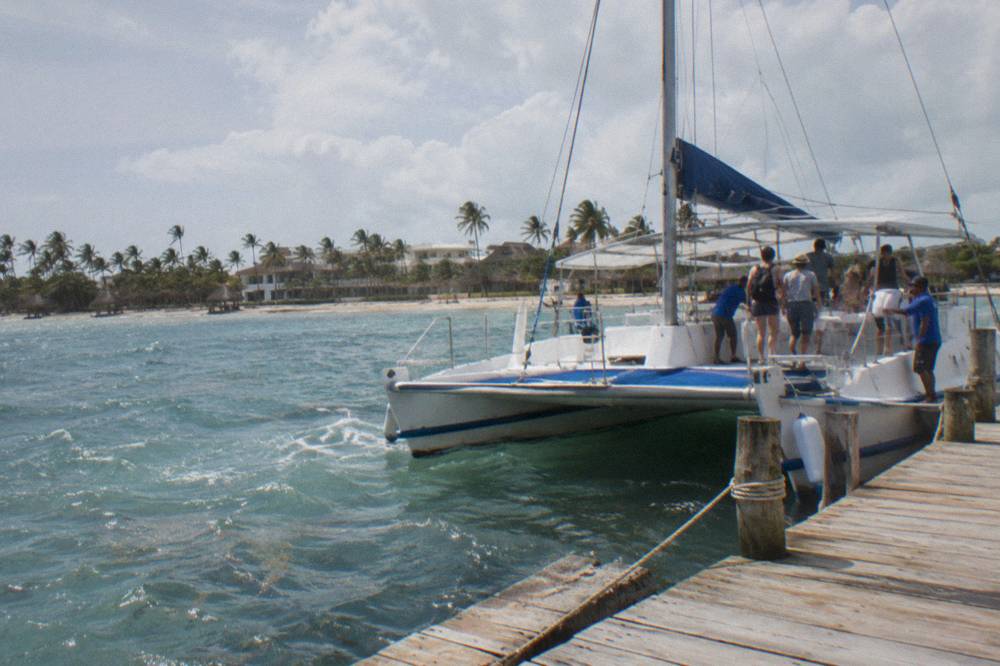
For groups weighing shared versus private formats, the document story is identical but the stakes are higher: a private charter books under one name for the whole boat, so the lead booker's ID and card matter most. The half-day private party boat and snorkeling charter from Dreams Come True Tours, from $698 per group and carrying a 5.0 rating from 340 reviews, includes unlimited national drinks and snorkel gear for up to your whole party, with snacks and tropical fruit served always and other food on request. Larger celebrations often compare it against the private catamaran booze cruise from GOING PARTY BOAT, from $839 per group, which lists its natural pool sandbar stop and an animation team among the inclusions.
The private side of the market is worth a deeper read on its own, and the site's private boat charter comparison guide breaks down per-boat pricing against per-person tickets in detail. If your dates fall in the shoulder season instead, the best time for a Punta Cana boat trip guide covers how month choice changes both crowds and sea conditions, since the Atlantic hurricane season runs 1 June to 30 November per NOAA. And for the most common single question travelers ask once documents are done, the site's Saona Island catamaran tour overview explains what the full-day format includes, from buffet lunch on the island to the natural pool stop with its starfish.
One age nuance to close the document section: the national legal drinking age is 18, and listings apply it themselves rather than a separate national minimum-age rule for boarding. Family-friendly options exist on the same docks. The open-air catamaran adventure from R & C Dreams Adventure states a minimum participant age of 4 years, with alcohol only for those over 18, from $54 per person. That tour is one of the clearest examples of how two boats leaving the same coast on the same afternoon can serve completely different groups.
Here, for a group that has cleared all the paperwork questions, is the format spread worth choosing between:
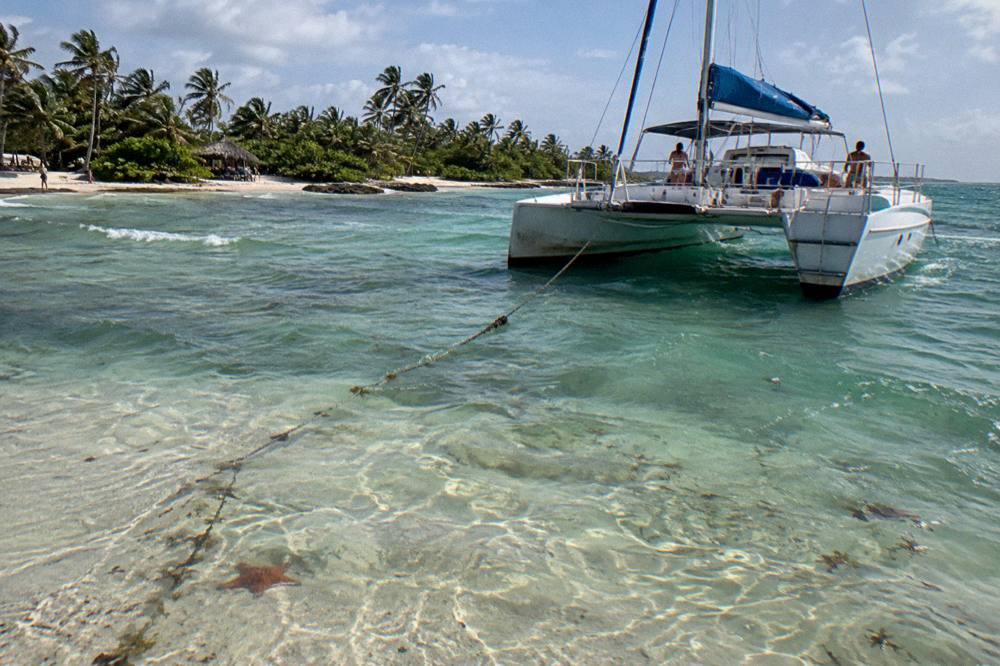
The Saona day in that band is the site's most reviewed listing anywhere, 4.4 across 4,767 reviews, and it is the natural first excursion for a first visit: eight hours, hotel pickup, speedboat out, catamaran back, buffet lunch and an open bar listed in the inclusions. The adults-only hip hop party boat beside it, rated 4.6 across 1,888 reviews and priced from $65 per person, is the highest-volume shared party format here. The catamaran party cruise with unlimited drinks, 4.0 from 236 reviews, sits between the two in pace.
Common Questions About Dominican Republic Entry Requirements
What Is The Dominican Republic E-Ticket And Who Needs It?
The e-Ticket is a free digital form mandatory for all passengers entering or leaving the Dominican Republic on commercial flights. You complete it at eticket.migracion.gob.do before passing migration, for both arrival and departure, and one form covers up to seven family members.
Do You Need A Visa To Enter Punta Cana?
Not for tourism if you hold a passport from the US, UK, Canada, the EU or the other nationalities on the official visa-free list. A valid passport and the completed e-Ticket are enough, with onward travel and your accommodation address available on request.
Do You Have To Pay 20 Dollars To Leave The Dominican Republic?
The departure tax is US$20 per person and it is already included in your airline ticket fare, so there is nothing to pay at the airport. Verify it in your ticket's fare breakdown and on the official tourism site's entry page.
How Long Can You Stay In The Dominican Republic As A Tourist?
Up to 30 days on a standard tourist entry, with extensions available for a fee payable online or at the airport before departure.
How Much Alcohol Can You Bring Into The Dominican Republic?
Adults aged 18 and over may bring up to five liters of alcohol duty-free, alongside 20 packs of cigarettes or 25 cigars or 200 grams of tobacco, and goods up to US$500 once every three months.