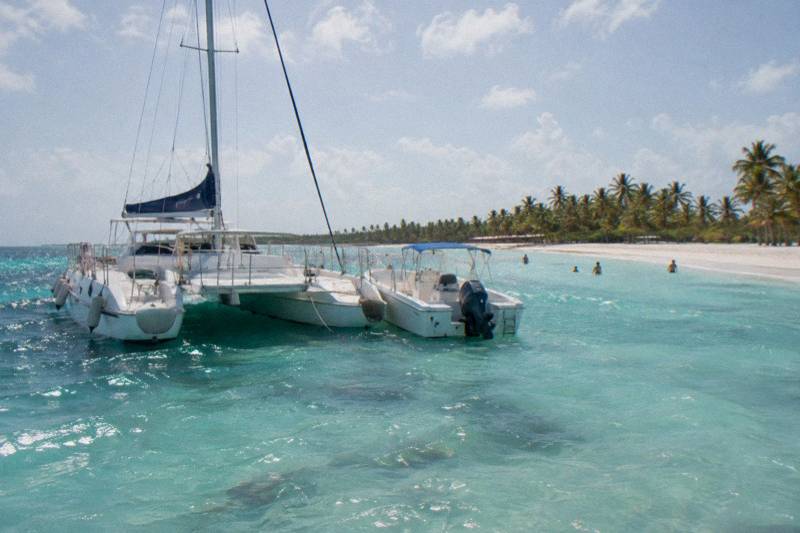
What Is The Worst Month To Visit Punta Cana?
September and October bring the heaviest typical rain, the tail of sargassum season and the heart of hurricane season. Here is how the months compare for boat days.
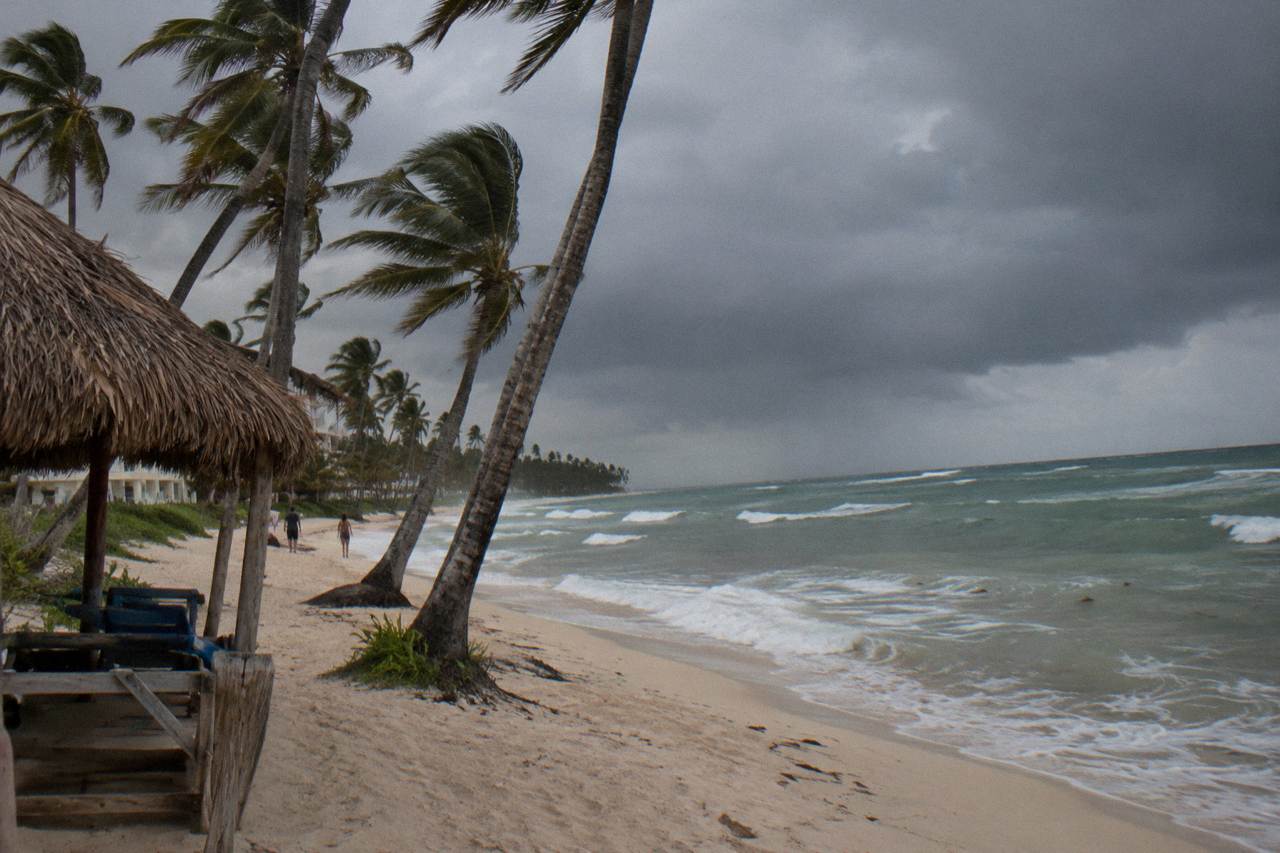
September and October are typically the worst months to visit Punta Cana. October carries the heaviest typical rainfall of the year at about 142 mm, ahead of May at 131 mm and November at 119 mm, while September averages 109 mm. Both months still fall inside the Atlantic hurricane season, which runs from 1 June to 30 November, and both land at the tail end of the seaweed season on the Atlantic-facing coast. May is the runner-up on rain alone, with a typical 131 mm.
None of that makes a trip impossible, and plenty of boats sail happily through early autumn. The Punta Cana Island Party Boat with Open Bar Adults Only Vibes, a 4 hour 35 minute adults-only cruise from $65 per person rated 4.9 from 33 reviews, operates year-round with hotel pickup offered, and the operator lists free cancellation. The point of this breakdown is not to scare anyone off a date, it is to show which months stack the most weather risks so you can weigh them against price and crowd levels.
Worth saying early: "worst" is doing a lot of work in this question. A surfer and a sunbather would answer it differently, and a family booking a Saona full-day catamaran has different exposure than a couple taking a three-hour coastal party cruise. The typical rainfall pattern, the hurricane season calendar and the seaweed cycle overlap most heavily from late August through October. That overlap, not any single factor, is why early autumn earns the title.
For readers deciding when to book a day on the water, the differences between these formats matter too. A shorter shared cruise, like the Punta Cana Adults-Only Party Boat with Live DJ and Open Bar, from $49 per person and rated 4.9 from 145 reviews, is easier to reschedule around one wet afternoon than an eight-hour Saona island day. The operator's listing spells out its own cancellation terms, and several listings on this site carry free cancellation.
How Heavy Is The Rain In Each Month?
Typical rainfall in Punta Cana rises through late summer and peaks in October at roughly 142 mm, with May second at about 131 mm and November third at around 119 mm. The driest stretch runs from February through April, bottoming out near 53 mm in March. Rain here usually arrives in short, heavy bursts rather than all-day drizzle.
That pattern matters more for boat trips than for pool days, because operators make their own call on sea conditions. A morning downpour can clear into flat sunshine by early afternoon, and a shared cruise can slide to a later departure. The drier window from February through April, with March the driest of the three, is why so many travelers book the shoulder of high season, and it lines up neatly with the calmest stretch of the seaweed cycle too.
There is a second, subtler pattern inside the numbers worth knowing before you panic about October. The wet months are not uniformly grey: a 142 mm October total typically breaks down into a handful of dramatic afternoon downpours spread across the month, not continuous rain. Guests on morning departures often sail under clear skies while the rain arrives after the boat is back at the dock. That is why experienced visitors to the shoulder season book the earliest sailing slot available and treat the afternoon as flexible time.
| Month | Typical rainfall | How it tends to feel for a boat day |
|---|---|---|
| January | ~67 mm | Comfortable, mostly dry, popular with winter travelers |
| February | ~55 mm | Nearly the driest month of the year |
| March | ~53 mm | Typically the driest month, peak high season |
| April | ~73 mm | Still dry, seaweed season can begin late in the month |
| May | ~131 mm | Second wettest, seaweed season building |
| June | ~112 mm | Hurricane season starts, rain moderate |
| July | ~92 mm | Often drier than May, hot and humid |
| August | ~101 mm | Rain climbing, seaweed near its peak |
| September | ~109 mm | Wet, seaweed heavy, peak storm-season risk |
| October | ~142 mm | Typically the wettest month, seaweed tapering |
| November | ~119 mm | Still wet, seaweed season usually ending |
| December | ~89 mm | Drying out, high season beginning |
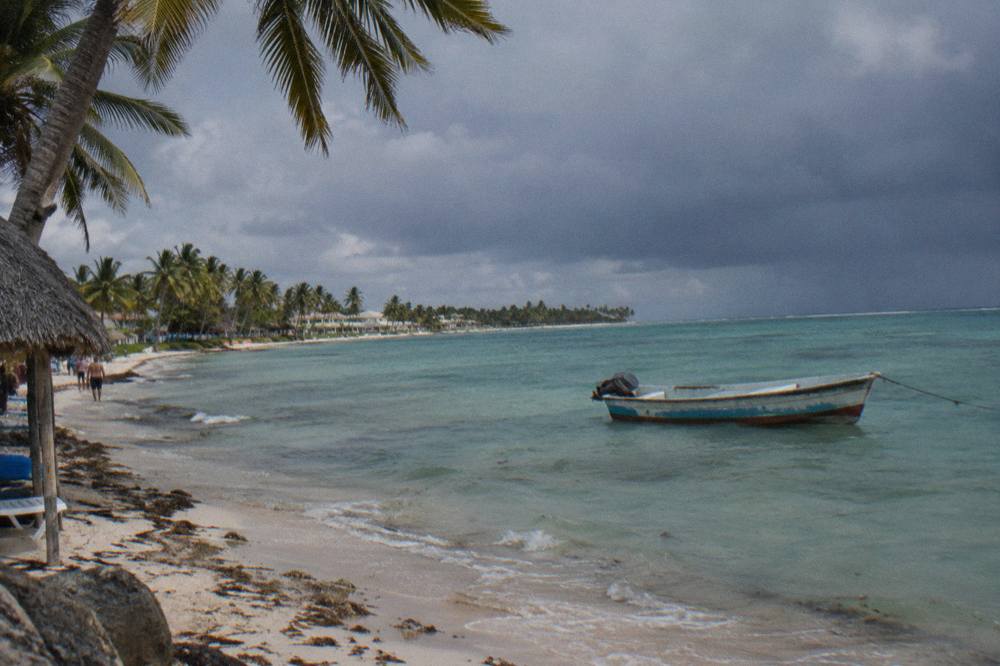
The table is about typical conditions, not a forecast for your week. A wet-month trip can string together five perfect days, and a February trip can catch a rainy front. What the numbers do tell you is probability: book October and you should expect at least a couple of interrupted afternoons, so pick tours with flexible or clearly stated cancellation terms, and keep at least one non-boating backup plan for the week.
Planning around a shoulder-season date? The adults-only island party cruise mentioned above lists free cancellation, which takes most of the sting out of booking a September or October date before you know the forecast. Its 4 hour 35 minute format also leaves room to rebook within the same week if the operator cannot sail on your first choice.
Does Hurricane Season Ruin An Autumn Trip?
The Atlantic hurricane season runs from 1 June to 30 November, so every autumn month in Punta Cana carries some storm-season risk. A direct hit on any given week is uncommon, but September and October sit in the climatological heart of the season, and a distant storm can churn up seas and cancel boat departures even when the sky overhead stays clear.
The National Hurricane Center publishes the official season dates, and those dates are the only storm-related numbers worth planning around. This site does not deal in storm tallies or forecasts, because those change weekly and date a page instantly. What you can plan on is structural: June through November is the window, operators decide departure by departure whether sea conditions are safe, and a canceled-for-weather tour is typically refunded or rebooked under the operator's own terms.
For boat-day purposes, the practical read is this. Early season, June and July, often brings moderate rain without much storm activity. Late August through October stacks the most risk. November tapers off, though it stays inside the official season until the 30th. If your dates are locked to September or October, book tours that list free cancellation and keep your boat day early in the week so a weather slide has room to land on a better afternoon.
One more thing worth understanding: the risk from a tropical system is rarely the wind you feel in Punta Cana. A storm passing hundreds of miles away can still send a long swell across the Caribbean that makes snorkel stops and natural pool anchorage uncomfortable or unsafe for a day or two. That is exactly the scenario where the operator's judgment matters, and where a listing with a clear weather-cancellation policy protects your money. If a departure is called off for sea conditions, the crew's decision is final and the listing's terms govern what happens next.
The deeper dive on this lives in our hurricane season and boat tours guide, which walks through how operators handle weather calls and what a closure day actually looks like from the dock. The short version: weather cancellations are the operator's decision per the listing's terms, and no listing can promise a departure.
When Is Sargassum Season On The Coast?
Sargassum seaweed typically affects the Atlantic-facing Punta Cana and Bavaro coast from around April or May through October, with the heaviest accumulation usually from May through August. The Caribbean-facing Saona side is generally more sheltered. The seaweed cycle peaks before the rain peak, so August can be weedier than October even though October is wetter.
The seaweed question deserves its own lens because it does not track the rain calendar. The USF Optical Oceanography Lab, which monitors the sargassum belt, reported that in September 2026 amounts continued to decline in almost every region but stayed relatively high compared with previous years for the same month. That single sentence captures the pattern travelers actually meet: the problem eases into autumn without vanishing, and every year is different in degree.
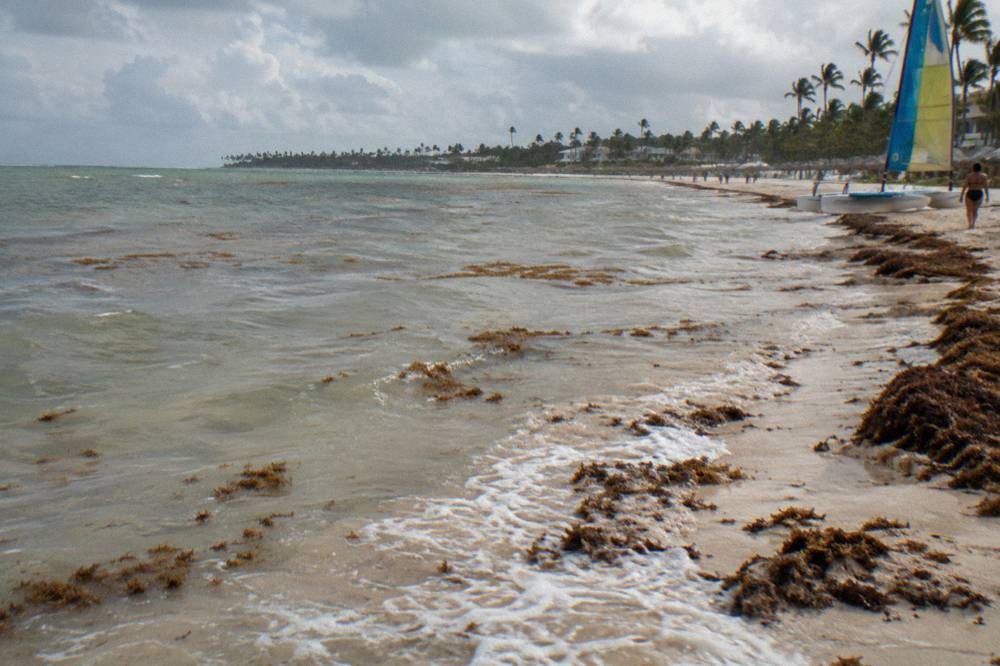
Two practical consequences follow. First, boat trips are usually less affected than beach days, because cruises run to open water, reefs and natural pools rather than sitting on the sand line. Second, the sheltered side wins in weed season: Saona Island trips depart from the Caribbean side, where the island itself often blocks the drifting weed. Our sargassum and sea conditions guide covers this in detail, including which departure areas face the open Atlantic.
If you are traveling in the May to August window and seaweed is your dealbreaker, weight your itinerary toward Saona catamaran days and away from Atlantic-beach departures. A helpful marker for anyone boarding near Bavaro: the Armada de la Republica Dominicana, together with a local reef foundation and the Ministry of Tourism, completed buoying of the navigation channel to the Bavaro natural pool to organize boat traffic in that busy area.
Which Months Are Actually The Best To Visit?
February through April is typically the sweet spot: March is the driest month of the year, seaweed at its seasonal low, no hurricane season, and sea conditions at their calmest for snorkeling stops. December and January run close behind, drier than average and busy. The trade-off is crowds and prices, since everyone else has read the same calendar.
That trade-off is real. High season means fuller boats, so the adults-only hip hop boat with open bar running from $60 per person, rated 4.7 from 44 reviews, books out faster in March than in June. The same dynamic applies across the whole adults-only category, where the 18-and-over format and smaller guest counts make advance booking worthwhile in the dry months.
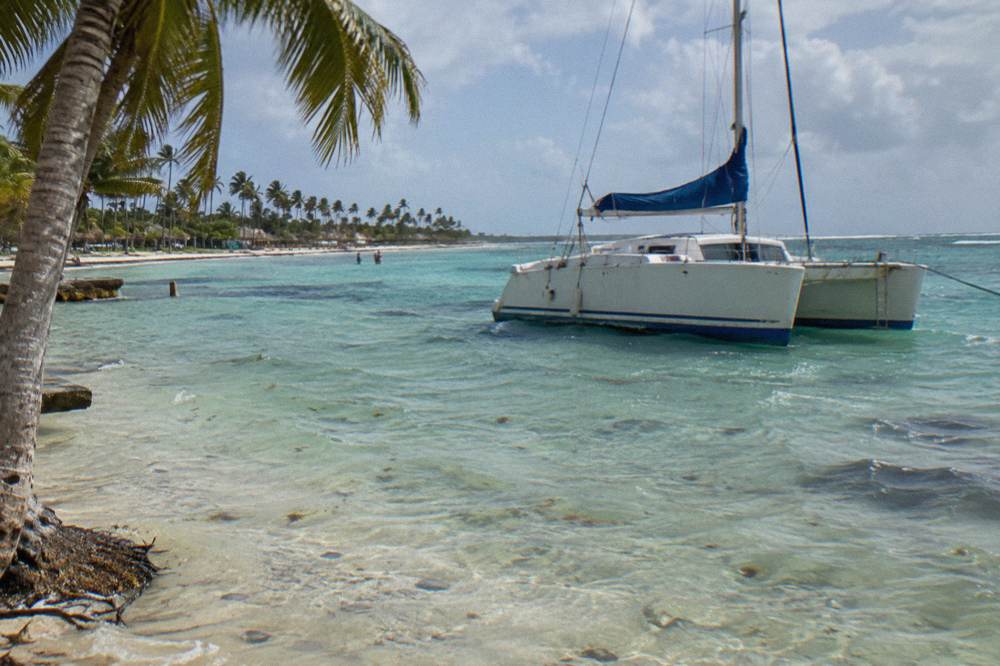
Mid-May, June and July are the contrarian picks. Rain is moderate, seaweed is building but not yet at its worst in the early part of that stretch, storm risk is early-season and usually low, and prices soften before the true summer peak. If your priority is a lively shared cruise rather than a perfect beach morning, those weeks can deliver the same open bar, the same DJ, the same natural pool stop, with more room to dance.
There is also a case for late November and early December that rarely gets made. Seaweed season has usually ended, storm season closes on the 30th of November, rainfall is trending down toward the December average of about 90 mm, and the December high-season price surge has not fully arrived yet. Travelers who can be flexible by a week on either side of that boundary often get high-season conditions at shoulder-season rates, and the boats run noticeably quieter before the holiday crowds land.
There is no need to guess alone on this. The best time for a boat trip guide ranks the calendar for boat days specifically, and Punta Cana Party Boats keeps a month-aware tour picker that filters every party boat, catamaran and booze cruise on this site by format, price and departure area, so you can see what actually runs in your travel window.
Should You Still Book A Boat Trip In The Worst Month?
Yes, if you book with the right protections. Choose listings that spell out free cancellation, keep your boat day early in the week with slack for a rebook, favor shorter cruises over locked eight-hour days, and lean toward the sheltered Saona side if seaweed is the concern. Early autumn prices and thinner crowds can reward flexible travelers.
The listings on this site make that strategy easy to execute. The Punta Cana Hip Hop Party Boat with Open Bar (Adults Only), from $60 per person and rated 4.7 from 44 reviews, lists free cancellation and includes round trip shared transportation, an open bar of national drinks, snacks and snorkeling with equipment when weather allows. The Punta Cana Adults-Only Party Boat with Live DJ and Open Bar undercuts it at from $49 per person, rated 4.9 from 145 reviews, with unlimited national drinks, tropical fruit and snorkel gear listed, departing from the Citrus Fusion Cuisine meeting point on Avenida Alemania.
Both are three-to-four-hour commitments, which is the right shape for a shoulder-season booking: long enough to feel like a real party on the water, short enough that a weather slide costs you an afternoon rather than a vacation day. Compare that with a Saona full-day trip, which is a wonderful product in the right conditions but a bigger bet in October, with 8 or more hours door to door and a buffet lunch scheduled to a timetable.
The last piece of the puzzle is pickup. Both of those listings offer hotel pickup or a meeting-point option, and the details are coordinated before departure, so a same-week rebook is usually painless. Read each listing's own pickup note rather than assuming, because departure areas and policies differ product to product, and a couple of tours here state pickup conditions that others do not.
A final word on expectations, because it shapes whether October feels like a disappointment or a bargain. Travelers who arrive in the wettest month expecting wall-to-wall sunshine will notice every cloud. Travelers who arrive knowing the rhythm, sunny mornings, dramatic afternoon downpours, a boat schedule with a little slack in it, tend to come away having paid less, danced on less crowded decks, and lost nothing that mattered. The worst month is only worst if you plan it like the best one.
Common Questions About The Worst Month In Punta Cana
What Is The Worst Month To Visit Punta Cana?
October is typically the single worst month, with the heaviest rainfall of the year at around 142 mm, while it still sits inside hurricane season and near the tail of sargassum season. May is a close second. May is the runner-up if rain alone is your concern.
Is Punta Cana Worth Visiting In September Or October?
Often yes, with caveats. Prices are lower, crowds thinner, and rain usually arrives in bursts rather than lasting all day. Book boat tours with free cancellation listed, keep your boat day early in the week, and have a non-boating backup plan for a washed-out afternoon.
Which Month Has The Most Rain In Punta Cana?
October, at roughly 142 mm of typical rainfall, followed by May at about 131 mm and November at around 119 mm. March is typically the driest month at about 53 mm.
When Is Hurricane Season In Punta Cana?
The Atlantic hurricane season runs from 1 June to 30 November, per the National Hurricane Center. September and October carry the highest storm-season risk. Whether a boat sails on any given day is the operator's call under the listing's cancellation terms.
What Months Have The Most Seaweed In Punta Cana?
Sargassum typically affects the Atlantic-facing coast from around April or May through October, heaviest from May through August. The sheltered Caribbean side toward Saona Island generally sees less, and boat trips to open water and natural pools are usually less affected than beach days.
Do Boat Tours Get Canceled For Rain?
Sometimes. Operators decide departure by departure based on safety and sea conditions, and a weather cancellation is typically refunded or rebooked per the listing's terms. Shorter cruises are easier to reschedule within one week than full-day island trips.