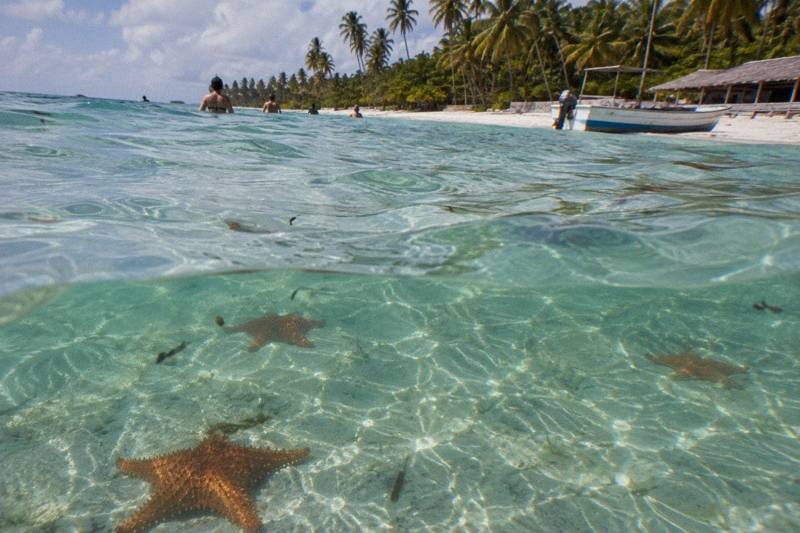
Why Is Saona Island Famous?
The beaches, the starfish natural pool and the protected park status behind Saona Island's fame, plus the boat tours that visit it from Punta Cana.
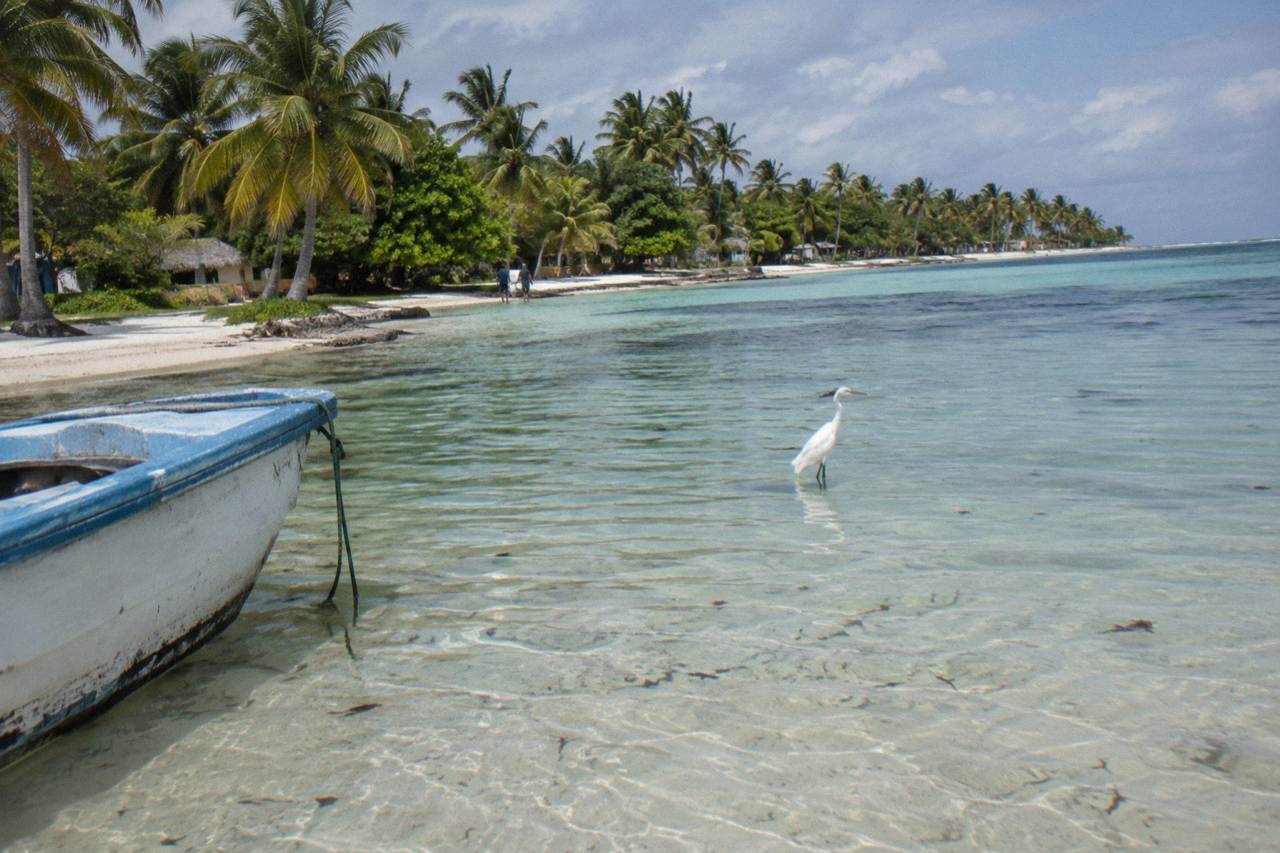
Saona Island sits off the southeastern coast of the Dominican Republic, inside the protected boundaries of Cotubanamá National Park, and it has become one of the most visited excursion destinations in the country. Its fame rests on a simple formula: a long stretch of white sand and palms, a shallow sandbar where starfish appear in waist-deep water, and a boat-based day trip format that pairs a fast ride out with a slow, music-filled catamaran sail back. Operators such as Saona Sail & Speed run the classic route with a speedboat leg one way and a catamaran the other, buffet lunch on the beach, and an open bar on board, from $89 per person.
The scale of the phenomenon is worth pausing on. The most reviewed Saona trip on this site alone carries close to five thousand guest reviews, and on busy days the island's main beaches absorb thousands of arriving day-trippers before they all pour back onto boats in the late afternoon. Yet the island itself has no hotels, no bars of its own beyond the tour operations, and no permanent tourism infrastructure beyond what the park allows. That tension, huge visitor numbers on an almost untouched island, is the heart of what Saona is.
Saona Island is famous for its beaches, its starfish natural pool and its status as a fully protected day-trip island inside Cotubanamá National Park. Tour listings describe 2.5 to 3 hours of beach time, a Dominican buffet lunch, and a natural swimming pool stop, all reached by a speedboat-and-catamaran combination that has become the signature Saona experience.
The island's reputation was not built on resorts or nightlife, because it has neither. It was built on the landscape itself. The main visitor beaches, with names like Canto de la Playa circulating in tour itineraries, offer the wide, palm-lined tropical shoreline that appears in Dominican tourism imagery again and again. Guides to the island describe beaches where the sand shelves gently into calm, shallow water, which is exactly the swimming profile families and casual snorkelers look for on the island's complete visitor guide.
The second pillar of the fame is the Piscina Natural, the natural pool. This is a shallow sandbank in open water where tours stop, often for 30 to 40 minutes, and where guests stand in waist-deep water far from any shore. Starfish are the draw here, and the rules around them are strict. Park regulations prohibit lifting starfish or any marine life out of the water, a rule that operators repeat on board because touching the animals harms them. The natural pool stop is listed on nearly every Saona tour on this site, including the Saona Island catamaran and speedboat tour to a dream beach, whose listing describes a 30-minute stop at the biggest natural swimming pool plus 2.5 hours on the island itself.
The third pillar is protection. Saona forms part of Cotubanamá National Park, and the island is essentially undeveloped: operator guides note that no large-scale construction or overnight tourist stays are allowed, which keeps the island as a day-use destination. That protected status is a big part of why the beaches look the way they do.
Put together, the three pillars reinforce one another. The protection preserves the landscape, the landscape draws the photographers, and the photographs fill the boats. Few excursion destinations anywhere have such a tidy loop between what makes them famous and what keeps them that way.
Where Is Saona Island And Why Is It Protected?
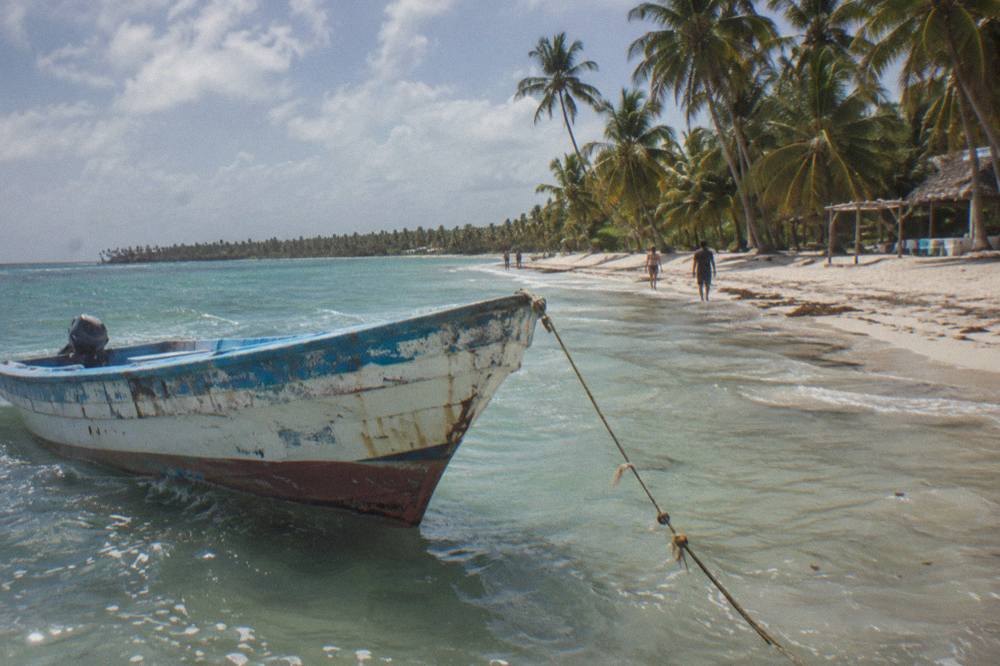
Saona Island lies just off the mainland inside Cotubanamá National Park, formerly called Parque Nacional del Este, on the Dominican Republic's Caribbean coast. The park's rules keep the island free of hotels and permanent tourism development, so visiting is day-trip only, and the only settlement is the small village of Mano Juan.
The proximity of the island to the mainland port town of Bayahibe is a quiet part of the story. Because the crossing is short, operators can run a full day that still includes hours of beach time rather than hours of motoring. Tour itineraries describe the standard structure: a road transfer from Punta Cana or Bavaro hotels to the port, a speedboat or powered catamaran outbound, the natural pool stop, a long block of free time on the island with a buffet lunch, and a sailing catamaran return with music and drinks.
The geography also explains the weather advantage that Saona enjoys over the Punta Cana hotel strip. The island faces the Caribbean rather than the open Atlantic, and conditions on this sheltered side are generally calmer and less affected by the sargassum seaweed that reaches the east-facing coast in seasonal pulses. Operators note that their routes reach open water and specific stops where seaweed on the main beaches does not directly affect the experience. For a fuller picture of seaweed timing and sea conditions across the year, the guide on sargassum and sea conditions for boat trips covers the Atlantic side in detail.
The park designation matters for what visitors will and will not find. There are no resort towers, no beach clubs for rent overnight, and no cruise-style development. What exists instead is the landscape the park was created to protect, plus the small fishing community at Mano Juan that some premium itineraries include as a stop. Reef-safe, biodegradable sunscreen is the expectation on these trips, and single-use plastics are discouraged, both norms that come from the park context rather than from any individual operator.
Mano Juan itself is a modest place, a village of wooden houses and a few streets, yet it features in the itineraries of higher-priced and small-group trips precisely because it is the only human settlement on the island. Standard large-group tours skip it in favor of beach time, so if village life appeals to you, it is worth reading each listing's itinerary line to see whether a Mano Juan stop is described.
If you are weighing the two boat formats for this crossing, the guide to Saona Island speedboat versus catamaran breaks down the differences in comfort, speed and party atmosphere on each leg.
What Is The Natural Pool Everyone Photographs?
The natural pool is a shallow sandbank surrounded by turquoise water where Saona tours stop so guests can wade, stand and look for starfish. Listings typically describe a stop of 30 to 40 minutes, in water shallow enough to stand in, with a strict no-touch rule protecting the starfish that live there.
The image that made the spot famous is deceptively simple: people standing in the middle of the sea, far from land, water barely waist deep. The sandbank is often called the biggest natural swimming pool in the Caribbean in tour copy, and the stop is standard on the Saona trips listed here. The catamaran to Saona Island with lunch, for instance, lists a 40-minute stop at the natural pool with starfish, alongside 3 hours of free time on the island's beaches and an open bar with domestic drinks.
The starfish rule deserves emphasis because it is enforced, not advisory. Guides instruct guests not to lift starfish out of the water, since air contact harms them, and operators repeat the instruction before every stop. Souvenir photos sometimes show people holding starfish aloft; those images predate or ignore the rules, and following the current instructions is both the lawful and the kinder choice. Marine life in the park is protected by the same framework that protects the beaches.
Snorkeling gear is a separate question: several Saona listings here do not include it, so if snorkeling matters to you, read the inclusions line on each listing before booking. The full-day cruise with lunch and pickup, for example, lists lunch, drinks and transfers but leaves snorkeling equipment off its included list. The all-inclusive trip to Saona Island paradise similarly does not state snorkel gear, though it does list a 30-minute stop at the biggest natural swimming pool among its inclusions. For trips where snorkeling is the headline rather than a bonus, the snorkeling boat tours in Punta Cana guide sorts the options that list gear.
One practical note on timing: the natural pool stop usually happens on the outbound leg, while the day is still building. That means the water is at its calmest and the boats are not yet at their most festive, which suits the stop's gentle pace. Save the dancing for the catamaran return.
For the practical question of how long the crossing itself takes, the blog post on the boat ride from Punta Cana to Saona Island covers the speedboat and catamaran legs in detail.
What Do Saona Island Day Trips Actually Include?
Most Saona day trips from Punta Cana include round-trip hotel transfers, boat transport in both directions, a buffet lunch on the island, an open bar of domestic drinks, a guide, and the natural pool stop. Trips run roughly 7 to 11 hours door to door, with prices here from $60 to $89 per person depending on the operator and the format.
Here is how three of the island's bookable trips compare on the essentials.
| Tour | Rating | Price | Duration | Beach time | Pickup |
|---|---|---|---|---|---|
| Saona Island: Catamaran/Speedboat Tour to a Dream Beach | 4.3 from 325 reviews | From $89 per person | 7 to 11 hours | 2.5 hours | Depends on the option chosen at checkout |
| Punta Cana: Saona Island Excursion by Catamaran with Lunch | 4.0 from 93 reviews | From $60 per person | 8 hours | 3 hours | Listed, from Punta Cana |
| Punta Cana: Saona Island Cruise with Lunch & Open Bar | 4.0 from 546 reviews | From $72.50 per person | 9.5 hours | Beach stop with lunch | Listed, from Punta Cana |
The Saona options on this site show how much the format can stretch in both directions, from budget group trips to small-group luxury versions, without ever leaving the same basic island.
| Tour | Rating | Price | Duration | Notable inclusion |
|---|---|---|---|---|
| Catamaran Boat to Saona Island with Buffet Lunch | 4.4 from 4,767 reviews | From $71.20 per person | 8 hours | Speed boat and catamaran, open bar |
| Saona Island Sightseeing Tour by Boat with Open Bar and Buffet | 4.4 from 122 reviews | From $77 per person | 9 hours | All-you-can-eat buffet, island entry ticket |
| Saona Island: Small-Group Luxury Catamaran & Snorkel Tour | 4.7 from 356 reviews | From $169 per person | 10 hours | Small group, lunch on the boat, park fees |
| Catalina Island from Punta Cana: All-Inclusive | 4.0 from 62 reviews | From $57.96 per person | 9 hours | Snorkeling gear, Cotubanamá park admission |
The pattern here is consistent: transport, lunch and drinks form the base package, and the differences show up in duration, group size and the boat types used on each leg. The most reviewed Saona listing anywhere on this site is the catamaran trip to Saona with buffet lunch, which carries a 4.4 rating from 4,767 reviews and runs from $71.20 per person, a reminder of just how heavily trafficked this island is as an excursion.
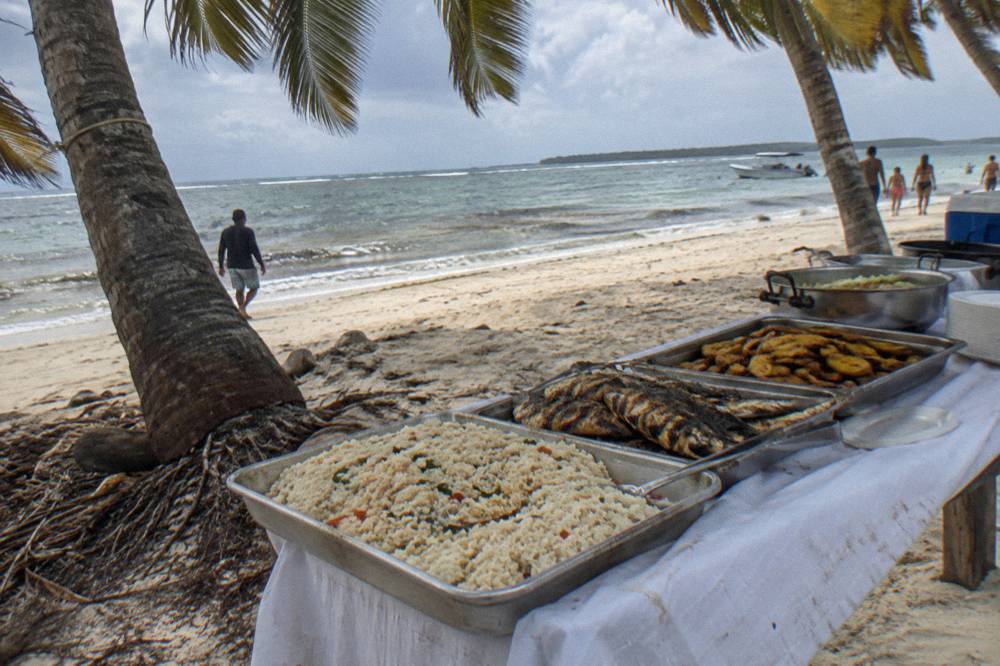
Lunch itself is part of the fame in a modest way. Listings describe a Dominican buffet with barbecue, salad and typical local fare served on the beach, and the all-you-can-eat format is standard rather than exceptional. Vegetarian options appear on several listings. It is picnic-standard food in a setting that does most of the work, which is a fair summary of the Saona formula overall.
A note on what is not included, because it catches people out. Gratuities appear on the exclusions list of nearly every Saona tour here, and souvenir photos are sold separately on most of them. Towels and snorkeling gear are exclusions on several lines as well. None of this is hidden, it is printed on each listing, but reading the exclusions before you book is the difference between a smooth day and a series of small surprises.
Why Can Nobody Stay Overnight On Saona Island?
Overnight tourist stays are not permitted on Saona Island because the entire island sits inside a protected national park. The only settlement is the small village of Mano Juan, and there are no hotels or resorts, which is why every Saona experience on the market is a day trip.
This is one of the least discussed reasons for the island's fame and one of the most important. The park designation is why the beaches have no tower blocks behind them, and it is why the visitor experience is shaped entirely by the boat schedule. Trips arrive in the late morning, occupy the beach through lunch, and clear out by late afternoon, with tour itineraries describing returns to Punta Cana hotels in the early evening.
It also creates a rhythm that regular visitors come to know. By late afternoon the island empties, the tour boats disperse, and Saona returns to the handful of people who live there year-round. The crowds that define the midday experience are a daily tide rather than a permanent condition, and the protected status guarantees it stays that way. Whether an overnight stay is possible in any form is a question readers ask often, and the post on whether you can stay overnight on Saona Island answers it in full.
The protective framework also shapes the marine rules. No-touch rules for starfish, expectations around reef-safe sunscreen, and instructions to carry waste back off the island all come from the park context. Operators transmit these rules to guests, and the better listings spell them out in advance so nobody is surprised on the sandbar.
The island's protected status connects to a wider safety and regulatory picture on Dominican waters. The Armada de la Republica Dominicana, through its Port Captaincies command, has issued an ordinance setting minimum safety requirements for tourism vessels under Dominican jurisdiction, aligned with international SOLAS standards, and licensed Saona operators work inside that framework. The full picture for cautious travelers is covered in the post on whether excursions in Punta Cana are still safe.
How Do You Visit Saona Island From Punta Cana?
You visit Saona by booking a day trip that combines hotel pickup, a road transfer to the port, a speedboat or catamaran crossing, beach time with buffet lunch, the natural pool stop, and a sailing return. Prices run from $60 to $89 per person, durations run 7 to 11 hours, and every option here except the $1,990 private Saona or Catalina charter is a shared-group boat trip.
Booking is the easy part; choosing the format is the decision. The speedboat-out, catamaran-back combination is the classic structure and the one most listings describe, and it exists for a reason: the fast leg maximizes island time, while the slow leg with music, dancing and an open bar is where the party atmosphere lives. Tours are frequently described in listing copy as including a lively catamaran return, and that return leg is, for many guests, the moment the trip becomes a party boat experience rather than a beach transfer.
A few practical notes from the tours here. The full-day cruise with lunch and pickup runs 9.5 hours and includes pickup and drop-off at your Punta Cana hotel plus an air-conditioned transfer, from $72.50 per person. The dream beach catamaran and speedboat tour lists a complete buffet lunch served at the beach, drinks including beer, rum and soft drinks, national park entrances and an official guide, from $89 per person. The catamaran excursion with lunch lists an all-you-can-eat Dominican lunch on the island and an open bar of domestic drinks, from $60 per person, making it the lowest entry price on this site.
Timing matters as much as format. Full-day trips pick up early from Punta Cana and Bavaro hotels because the road leg to the port eats into the morning, and listings describe returns in the early evening. If a 10-hour door-to-door day sounds long, the small-group luxury catamaran at 10 hours is not the answer; the shorter-format options are the 8-hour trips, which trim the schedule by condensing the beach and sailing legs rather than the transfers.
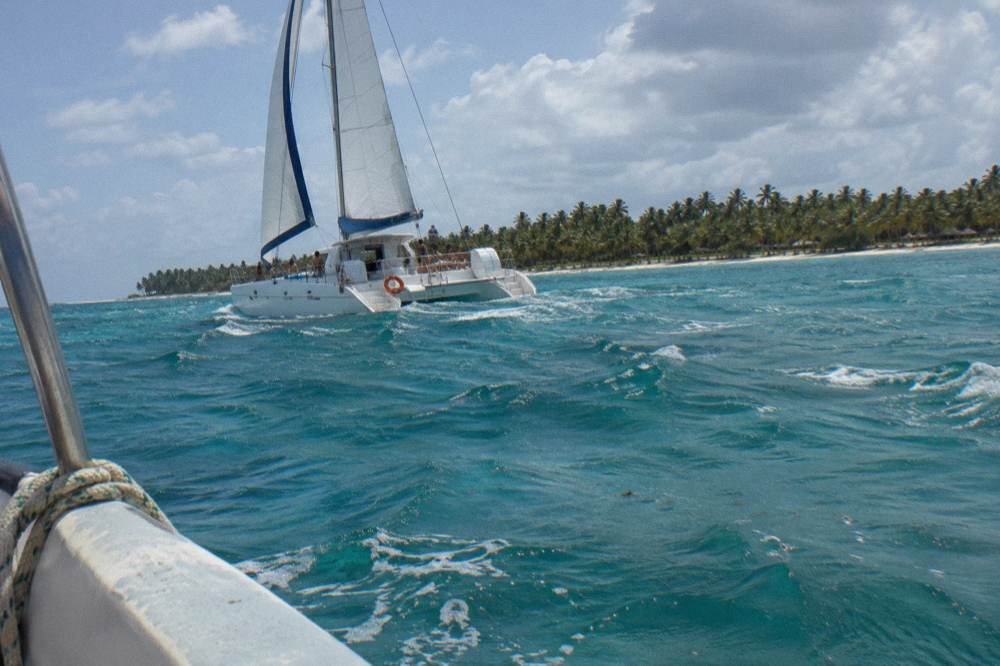
For readers planning a wider Punta Cana trip, the Saona Island party catamaran tours guide goes deeper on the island options specifically. If you are torn between the famous island and its quieter neighbor, the comparison of Saona Island or Catalina Island lays out the trade-offs.
Common Questions About Saona Island
Why Is Saona Island Famous?
Saona Island is famous for its protected palm-lined beaches inside Cotubanamá National Park, the shallow starfish sandbank known as the natural pool, and the catamaran-and-speedboat day trips that visit it from Punta Cana and Bayahibe.
Can You Stay Overnight On Saona Island?
No. The island is fully protected as part of Cotubanamá National Park, no overnight tourist stays are permitted, and every experience on the market is a day trip. The only settlement is the small village of Mano Juan.
How Long Do You Get On Saona Island Itself?
Listings typically describe 2.5 to 3 hours of free time on the island's beaches, alongside a buffet lunch and a natural pool stop of 30 to 40 minutes on the way there.
Are The Starfish At The Natural Pool Protected?
Yes. Park regulations prohibit lifting starfish or other marine life out of the water, and operators repeat the rule before every stop because contact with air harms the animals.
Is Lunch Included On Saona Island Tours?
On the Saona listings here, yes. Each line lists a buffet lunch, typically Dominican barbecue, salad and typical fare, served on the island, and several also include an open bar of domestic drinks.
Is Saona Island The Same As Catalina Island?
No. Saona sits inside Cotubanamá National Park off the Caribbean coast near Bayahibe and is the classic full-day catamaran trip, while Catalina is a smaller, quieter island destination reached on its own all-inclusive excursion from Punta Cana.